America's Deadliest Volcano, Mount Rainier, Shows Signs of Waking Up — Enters a 72-Hour Tremor Phase

Mount Rainier Might Just Erupt Soon
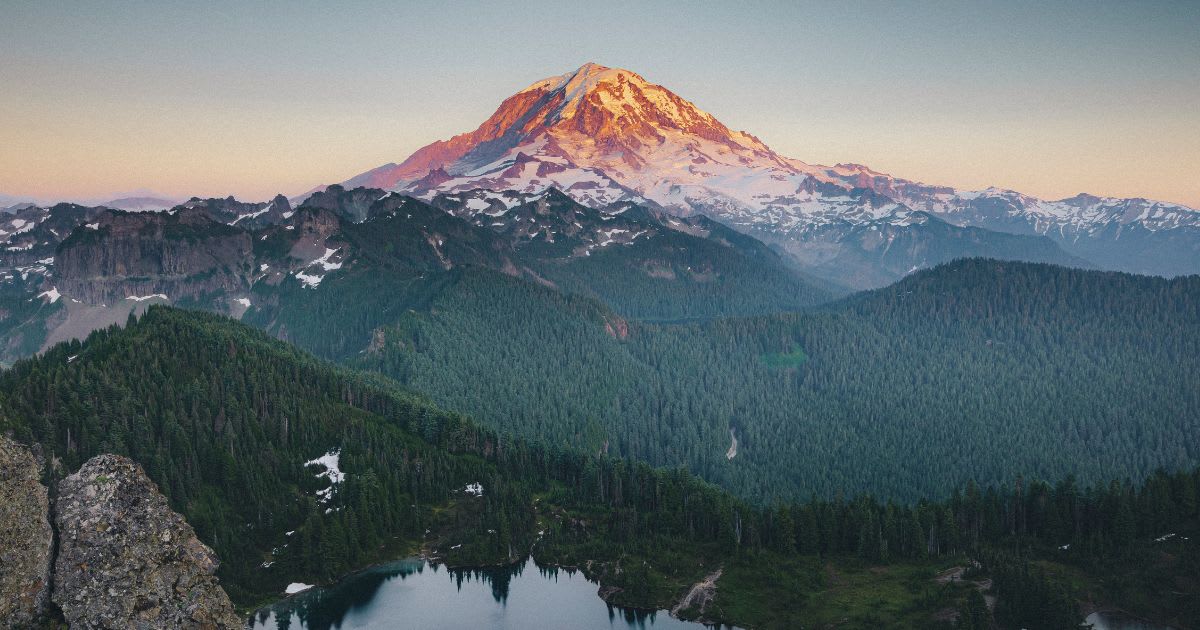
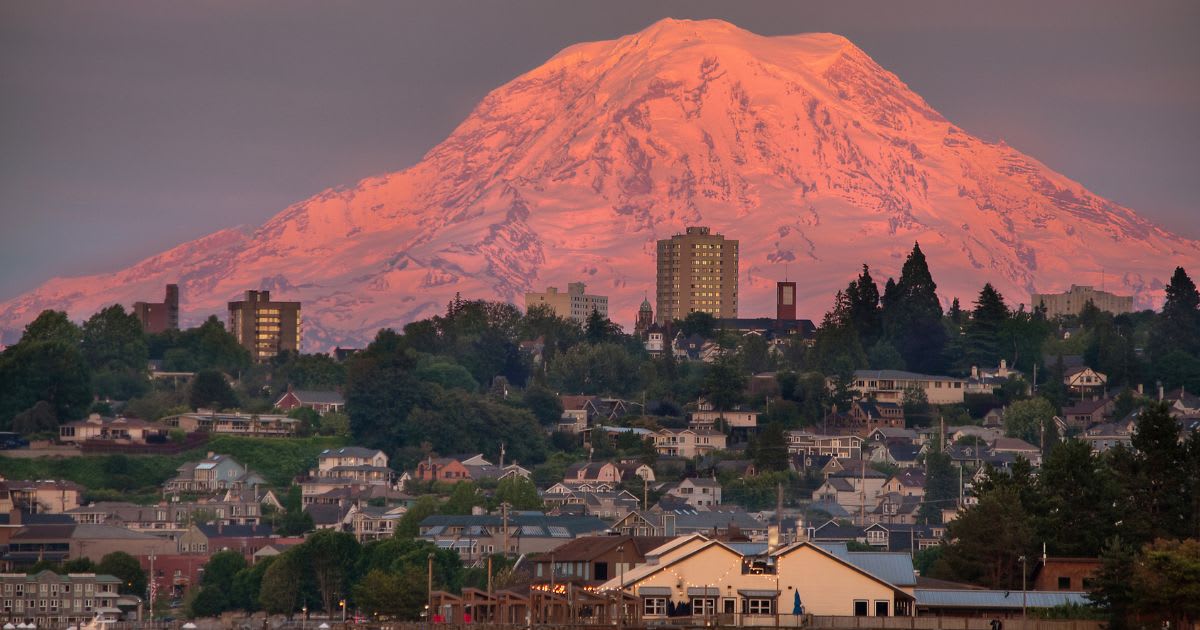
Mount Rainier in Washington state, the centerpiece of the namesake national park, is also known as one of the most dangerous volcanoes in America. Looming over populous cities of Seattle, Tacoma, Yakima, and Portland, this volcano poses a threat to millions of people. According to the Daily Mail, this volcano has been exhibiting signs of activity continuously for days and might erupt soon. Since Saturday, thousands of tiny vibrations seem to have blended under the surface of Mount Rainier. The Pacific Northwest Seismic Network (PNSN), using seismometers on Mount Rainier, has observed these underground activities for three days nonstop and has recorded strong seismic signals across the west side of the volcano.
Constant Seismic Activity
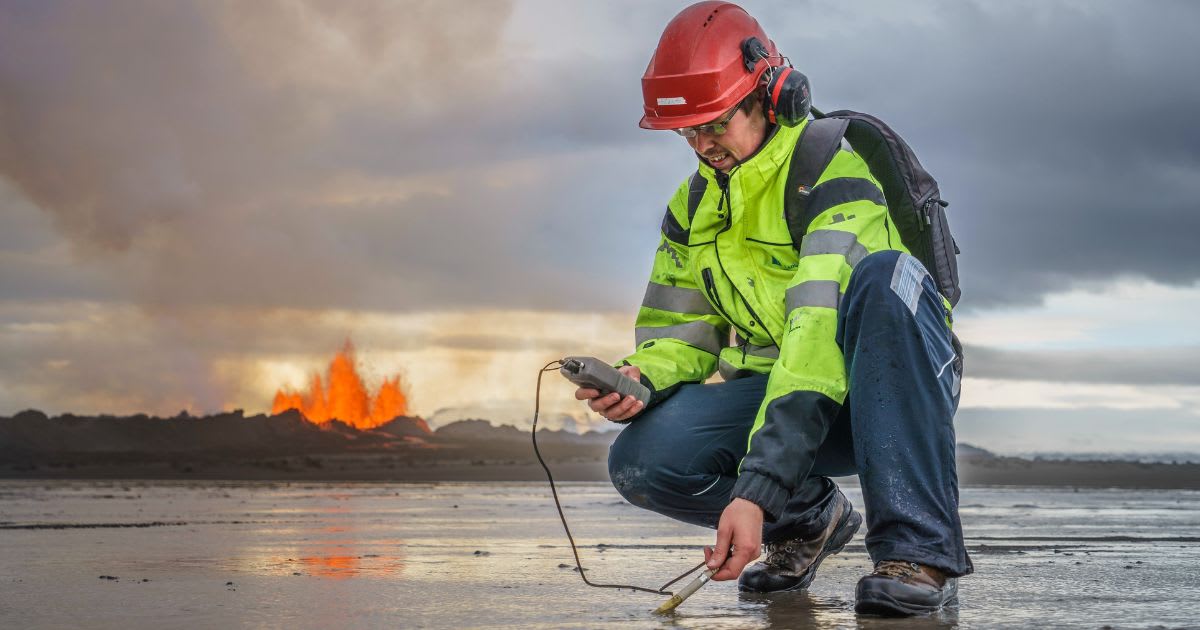
The observation of this volcano depicts a pattern different from earthquakes. It seems to be more of a volcanic tremor or a hum signaling the moving magma, hot water, and gas in the volcano. However, these signs point more towards a critical volcanic activity rather than the direct assumption of Mount Rainier's eruption. As of now, experts are monitoring and analysing the situation before it escalates further. They are on the lookout for any increase in activity, swelling of the surrounding land, or an earthquake starting inside the volcano. Instead of releasing massive amounts of lava or ash upon explosion, this volcano will discharge lahars, which are fast-moving mudflows reaching and threatening the nearby communities within minutes.
High Risk for Future Eruptions
Around early morning on Saturday, the seismometers recorded a sharp spike that strengthened throughout the day. The instruments depicted the growing vibrations as a thick black line, and by November 16, that tuned into a black band with less quiet time. The observations at Mount Rainier on Monday revealed overlapping tremors for most of the day, similar to a black line. As no warnings appeared on Tuesday, the USGS has not increased the threat level. Although Mount Rainier has encountered earthquake swarms earlier this year, this activity is one of the longest ones observed in recent years, and is still considered to be of high risk for future eruptions.
Largest Earthquake Swarm Observed

A volcano observer, Michael Bradbury, who goes by @MrMBB333 on X, noted the recent reading from PNSN in a post, "ALERT: Something is happening on the west flank of Mount Rainier. Ground instruments went from normal… to chaotic… to a solid wall of nonstop seismic energy in just days. This kind of continuous activity is highly unusual. Watching closely." This year in July, the area experienced the largest swarm ever observed at the mountain, with over 1,000 earthquakes hitting in three weeks. While a swarm in 2009 caused 120 minor earthquakes in three days, the one that started on July 8 saw as many as 41 minor earthquakes every hour for the rest of the month.
Deadly Mudflows

According to the US Geological Survey, lahars can either be a hot or cold mix of water and rock fragments that resembles a wet concrete slurry. A massive lahar can crush, abrade, bury, or carry away almost everything in its path. It can bury buildings and land, destroy bridges and roads. Mount Saint Helens, located just 50 miles from Mount Rainier, erupted in 1980, releasing a lahar that shattered bridges and homes before flowing into the Cowlitz River. The disaster destroyed over 200 homes, more than 185 miles of roads, and killed 57 people. This event has provided a troubling preview of what might happen upon Mount Rainier's eruption. As the experts monitor the situation, they are also preparing for a lahar forming and releasing from the mountain.