Colorado River Is Infested With Invasive Aquatic Species — but Why Are Officials Not Removing Them?

Zebra Mussels Found in Colorado River Threaten Ecosystem
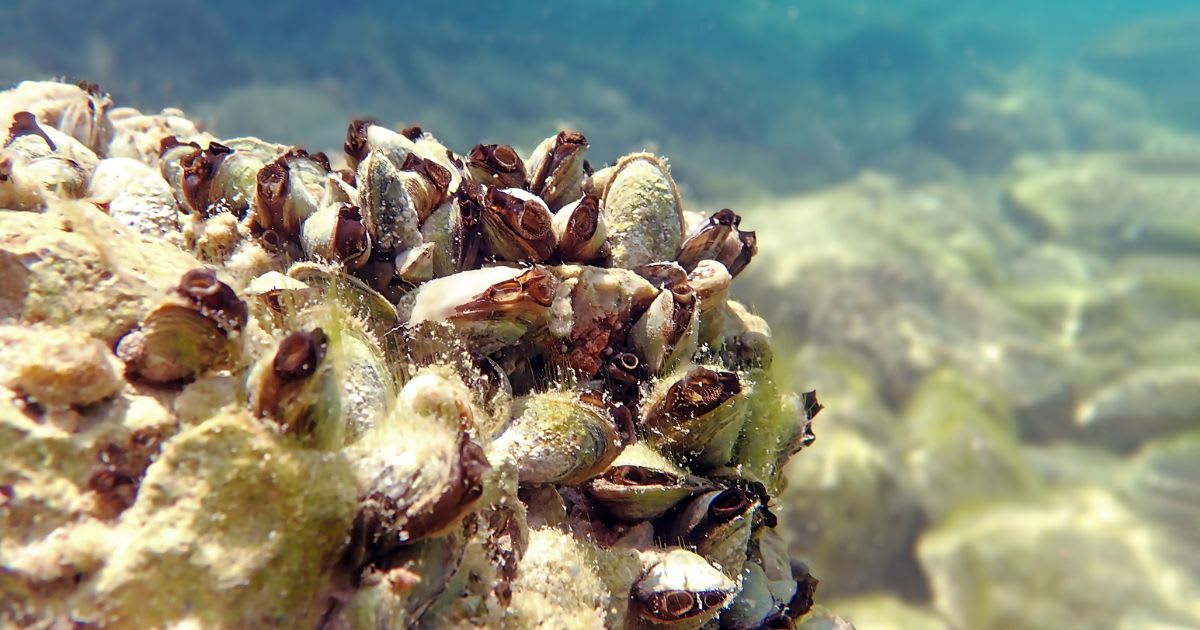
A balance in the ecosystem ensures a safe environment for all. But what can be done if there's an increase in a species that hinders human operation? Should it be controlled or left up to nature? The Colorado Parks and Wildlife (CPW) has observed an increase in adult zebra mussels in the Colorado River. The CPW finds these mussels to impact municipal, agricultural, and industrial water infrastructure by clinging to, clogging, and damaging water storage, treatment, and distribution systems, calling it "our most serious aquatic threat." Recently, the CPW partnered with multiple agencies and groups for a one-day sampling effort to search for adult zebra mussels.
Surveying Rivers
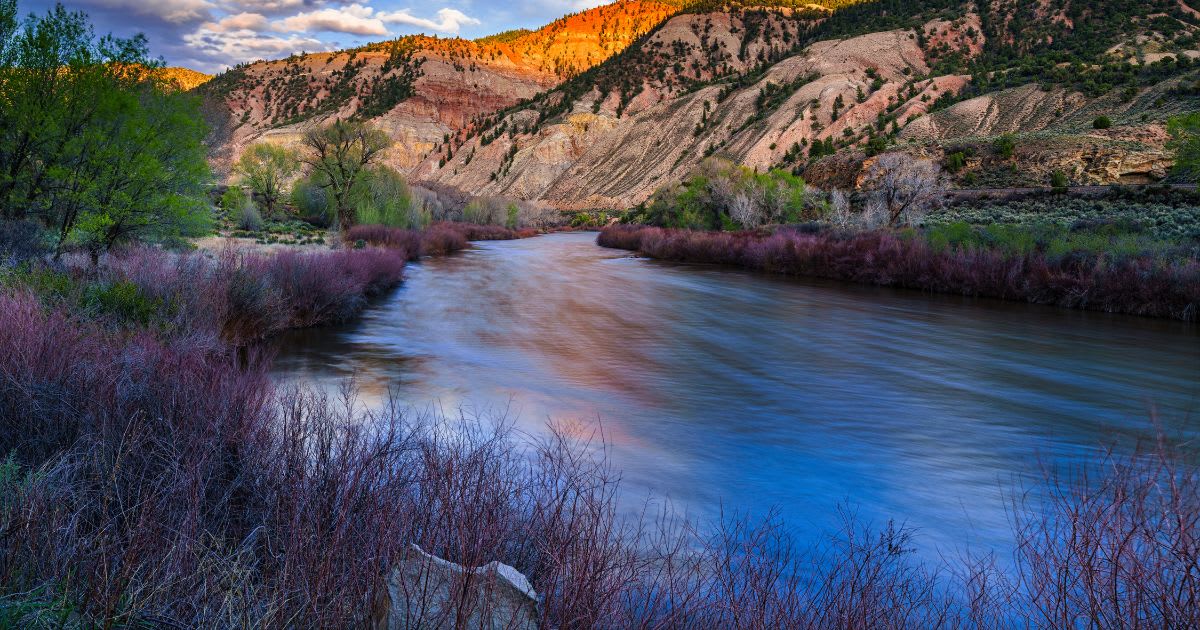
In a press release, the CPW noted that volunteers from nine agencies searched for the mussels from the headwaters in Grand County to Westwater, Utah, with similar surveys in Eagle and Roaring Fork rivers, as well as the section of the Gunnison River near the confluence of the Colorado River. For simplifying the surveying process, the rivers were divided into smaller sections. The volunteers aimed at identifying potential zebra mussel zones and inspected shorelines, rocks, and other hard surfaces where zebra mussels may cling. After sampling 200 locations across over 200 miles between the rivers, the CPW confirmed the presence of a single adult zebra mussel in the Colorado River near Rifle.
Infested Waters
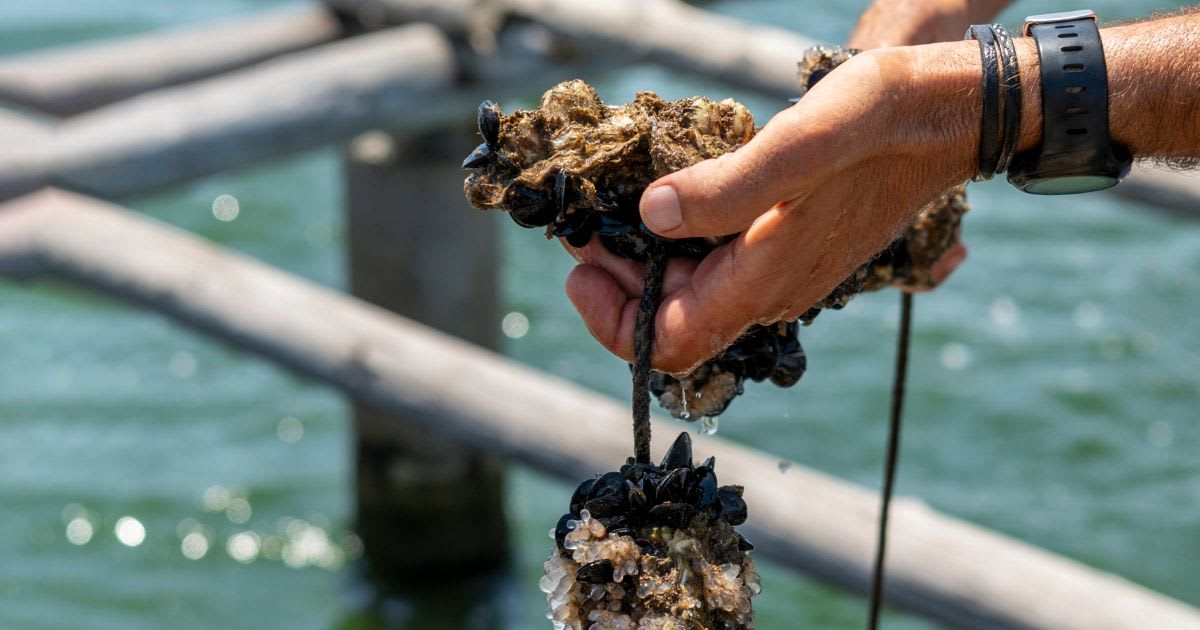
During a detailed search, the CPW Aquatic Nuisance Species (ANS) team found additional adult zebra mussels within Glenwood Canyon, which suggests that the Colorado River is infested from the confluence of the Eagle River down to the Colorado-Utah border. However, no zebra mussels (adult or veliger) have been found in the Colorado River upstream of the confluence with the Eagle River to date. Robert Walters, CPW’s Invasive Species Program Manager, believes that while this find is disappointing, the initiative helped achieve their aim of understanding the volume of the zebra mussel population in western Colorado. Since the species' initial detection in 2022, the CPW has increased sampling in the area.
Prolific Reproduction
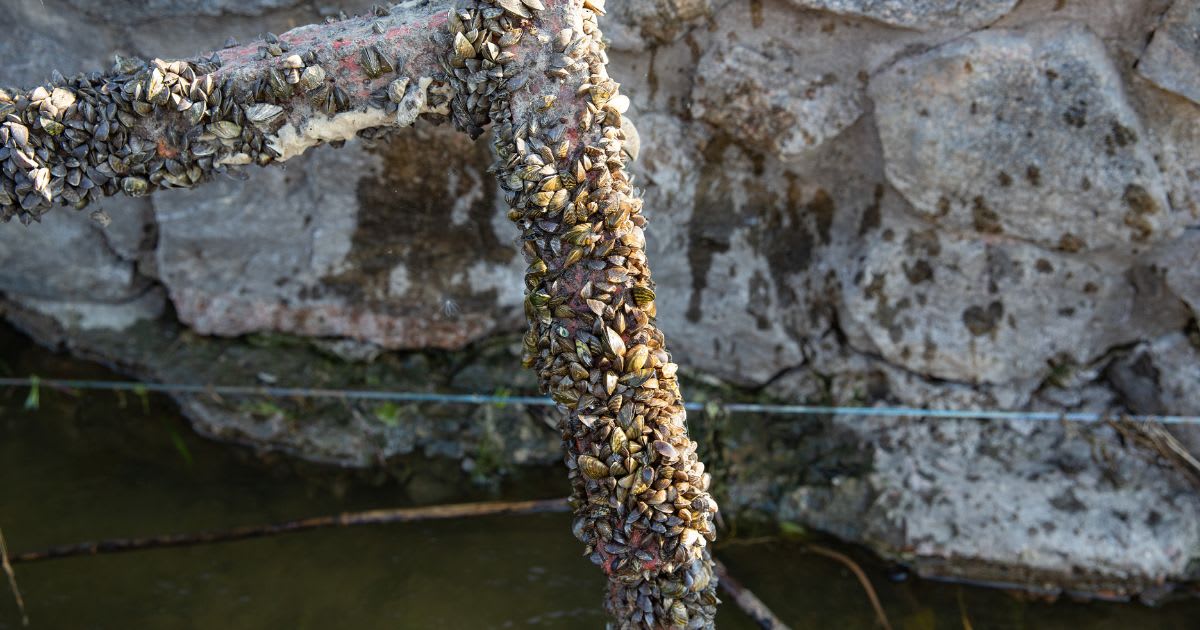
Zebra mussels are an invasive species known for their prolific reproduction and damaging ecosystems and infrastructure. As one zebra mussel can produce up to 30,000 veligers in just one spawning event, their eradication is challenging. Also, targeting a single invasive species may affect the entire river and other aquatic ecosystems. Jeff Davis, Colorado Parks and Wildlife Director, said, “Because it’s in a river system, we kind of are in a space of probably [accepting] removal is out of the question at this point. But, we now work with our partners, water purveyors, producers, etc., to make sure that we can manage the presence of those species in the Colorado system.”
Measures to Control Spread
However, zebra mussels weren't the only invasive species discovered. The one-day sampling was fruitful in identifying New Zealand mudsnails present in the Roaring Fork River. With increased surveying efforts, CPW urges private lake and pond owners to survey and report if the invasive species are found. Rachael Gonzales, a spokesperson for CPW, said, “While the identification and treatment of the private body of water is an important step forward for managing zebra mussels on the Western Slope, we still don’t conclusively know how these detections are related.” Despite all the challenges, CPW aims to control the species spread by advising citizens to clean, drain, and dry equipment, including paddleboards and kayaks.