Scientists Discover Rare Sea Creatures, Including a 'Glowing' Shark

Remarkable New Species Offers a Look Into the Hidden Depths of the Ocean
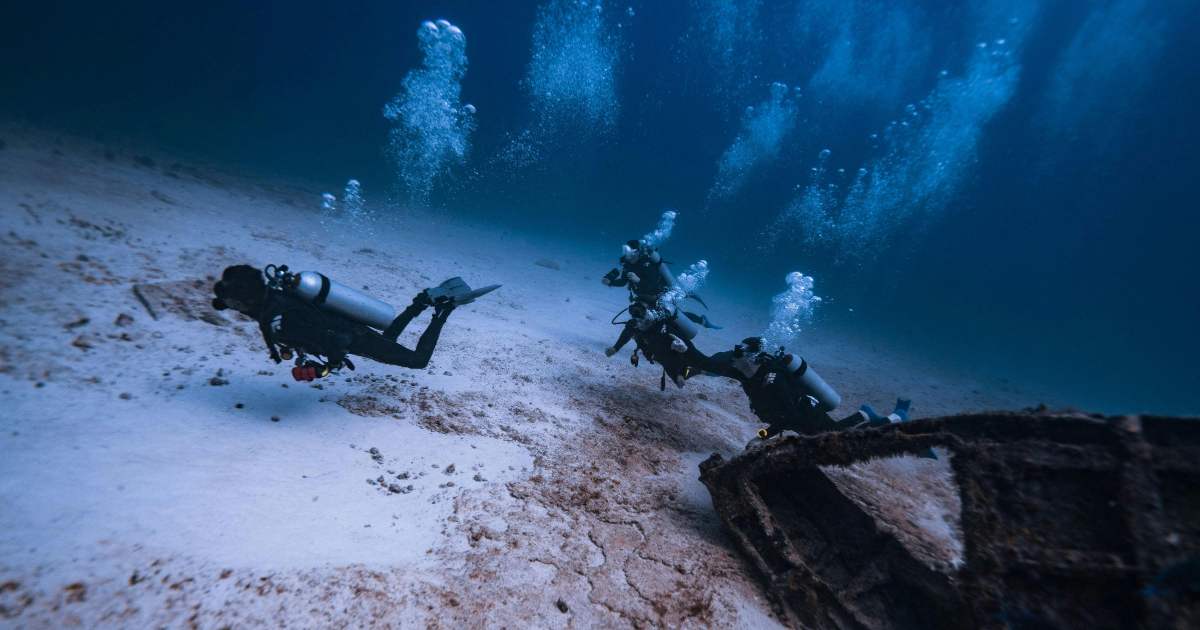
Discovering new species of animals, birds, and even plants is one of the most thrilling moments in the scientific world. Whether it’s a marine animal found in the deep sea or a tiny insect in a rainforest, each discovery expands our understanding of life on Earth. In one such remarkable moment, scientists recently explored the waters off Western Australia and discovered two previously unknown marine species, including a luminous lanternshark and a delicate porcelain crab. These discoveries offer a fascinating glimpse into the extraordinary biodiversity that lies in the depths of our oceans.
West Australian Lanternshark

The newly identified shark species, called Etmopterus westraliensis, gets its name from the Western Australian waters where it was first discovered. Found nearly 2,000 feet under the ocean surface, this species is nothing like any other underwater predator. Instead of a massive, menacing creature, scientists found it to be a small, bioluminescent species that barely grows 1.3 feet in length, as reported by Popular Science. Like many other deep-sea creatures, E. westraliensis has also adapted perfectly to life in the dark. It has large eyes and a thin body with small dorsal fins and a sharp spine. The details about this exceptional species were revealed in the Journal of Fish Biology.
A Bioluminescent Shark

Dr. Will White, one of the authors of the study and an ichthyologist with the CSIRO Australian National Fish Collection, played a key role in identifying and describing the lanternshark. He said, "Lanternsharks are an amazing group of sharks, and this new species was found at depths to 610 meters during biodiversity surveys for Parks Australia in the Gascoyne Marine Park area off Western Australia." As reported by Science Daily, White added, "Lanternsharks are bioluminescent, with light produced by photophores located on their belly and flanks, which is where their common name comes from."
The Porcelain Crab

The CSIRO research team went on to reveal a second exciting discovery, which is an even tinier creature than the lanternshark. The newfound species, called Porcellanella Brevidentata, is a porcelain crab that lives around 400 feet deep in the waters. Scientists found it near the Ningaloo coast in northwestern Australia. This new species measures just around 15 millimeters in length and is opalescent white-yellow in color. Experts collected the porcelain crab specimens during a CSIRO research trip on the RV Investigator back in 2017. The details about the new crab species were published in the journal Ecology and Evolution.
Crab That Doesn’t Pinch
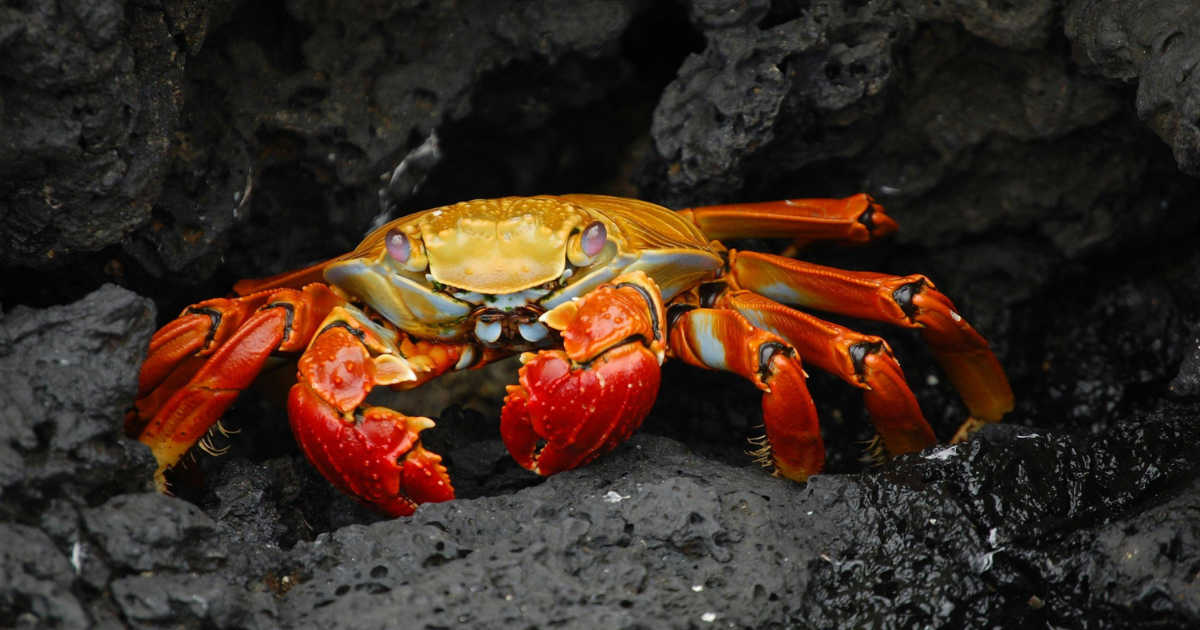
Dr. Andrew Hosie from the Western Australian Museum, where he oversees aquatic zoology, helped document and classify the newly discovered crab species. He said, "The new species of porcelain crab lives a symbiotic life with sea pens, which are a group of soft corals related to sea fans, where they will hide among the 'leaves' of the host." He further said, "Porcelain crabs are known as filter feeders, feeding on plankton by using modified mouthparts with long hairs to sweep the water for small pieces of food such as plankton, rather than the typical crab method of grabbing and pinching food with their claws."
Other New Species
From just the 2022 expedition, scientists have identified around 20 new marine species, one of which was previously described to be the Carnarvon Flapjack Octopus. But this isn't it, as experts believe the same voyage may have uncovered as many as 600 species that are still awaiting a formal description. Exploring these hidden habitats is essential to getting an idea of the rich diversity of underwater life. Additionally, researchers are also expected to discover more new species for science during an upcoming CSIRO-led voyage on the RV Investigator in the future.