Scientists Find Hundreds of New Species Beneath the Pacific — But Deep-Sea Mining Threatens Them

Pacific Exploration Uncovers Hidden Ecosystem
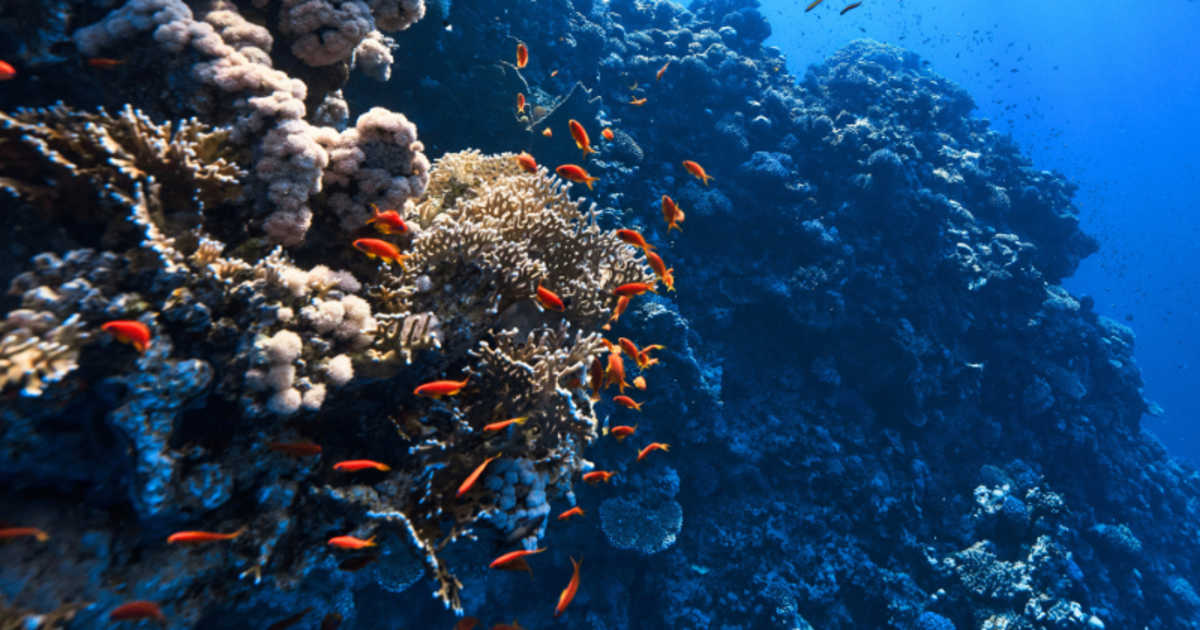
Researchers have conducted a new study in the Pacific as the demand for metals grows. Due to this demand, many countries are looking at the ocean floor as a new source of attaining these materials. However, the study led to the discovery of hundreds of previously unknown species, living approximately 13,000 feet below the ocean’s surface. The research also suggests that deep-sea mining may cause less overall damage to the planet than once expected. Nevertheless, the harm can be serious at a local level. The areas directly affected by mining showed a sharp decline in sea life. Moreover, one-third of species diversity has fallen, and the changes could last for years.
New Focus on Deep Sea Exploration
The Pacific Ocean is one of the most unexplored places on Earth, and a recent study, conducted by marine biologists from several countries, focused on life on the deep-sea floor. The research was published in Nature Ecology and Evolution with marine biologist Thomas Dahlgren and Helena Wiklund participating in the project. The study highlighted the growing interest from the government and companies paying closer attention to the area for its economic value. “Critical metals are needed for our green transition, and they are in short supply. Several of these metals are found in large quantities on the deep-sea floor, but until now, no one has shown how they can be extracted or what environmental impact this would have,” Dahlgren said.
Clear Signs of Local Harm

Moreover, the study was conducted to research the existing sea life and assess possible environmental damage before any mining activity begins. The project was overlooked by the International Seabed Authority (ISA), and several rules were set by the agency. The effects of mining were tested on marine life in the Clarion-Clipperton Zone over five years. It is a huge stretch of the Pacific Ocean between Mexico and Hawaii, known for its mineral-rich seabed. However, the research showed clear damage in areas disturbed by mining machines. Animal numbers dropped by about 37 percent, and species diversity fell by roughly 32 percent. “The research required 160 days at sea and five years of work. Our study will be important for the International Seabed Authority (ISA), which regulates mineral mining in international waters,” Dahlgren said.
Life in Extreme Depths

The study was conducted 42,650 feet (13,000 meters) below the ocean’s surface, where no sunlight reaches, and even food is very scarce. Life grows very slowly due to such extreme conditions. To show how scarce life is in the deep Pacific, researchers compared seafloor samples from different regions. A single sample from the North Sea can contain as many as 20,000 animals. By comparison, a similar sample taken from the deep Pacific seabed includes roughly the same number of species, but only about 200 individual animals. Moreover, the researchers identified 788 different species, including marine bristle worms, crustaceans, and mollusks such as snails and mussels.
Future Steps
Dahlgren added that he has worked in the Clarion-Clipperton Zone for over 13 years, and this project is the largest study ever carried out in the region. “Since most species have not been described previously, molecular (DNA) data was crucial in facilitating studies of biodiversity and ecology on the seabed,” he added. Scientists also observed that deep-sea communities changed naturally over time, likely due to food supply variations on the ocean floor. But they still do not know how widely many of these species are spread. “It is now important to try to predict the risk of biodiversity loss as a result of mining… At present, we have virtually no idea what lives there,” said senior author from the Natural History Museum of London, Adrian Glover.