Using Silicone Bakeware This Holiday Season? Study Says It Could Leach Chemicals Into Your Desserts

Silicone Bakeware May Release Chemicals Into Your Holiday Treats, Study Says
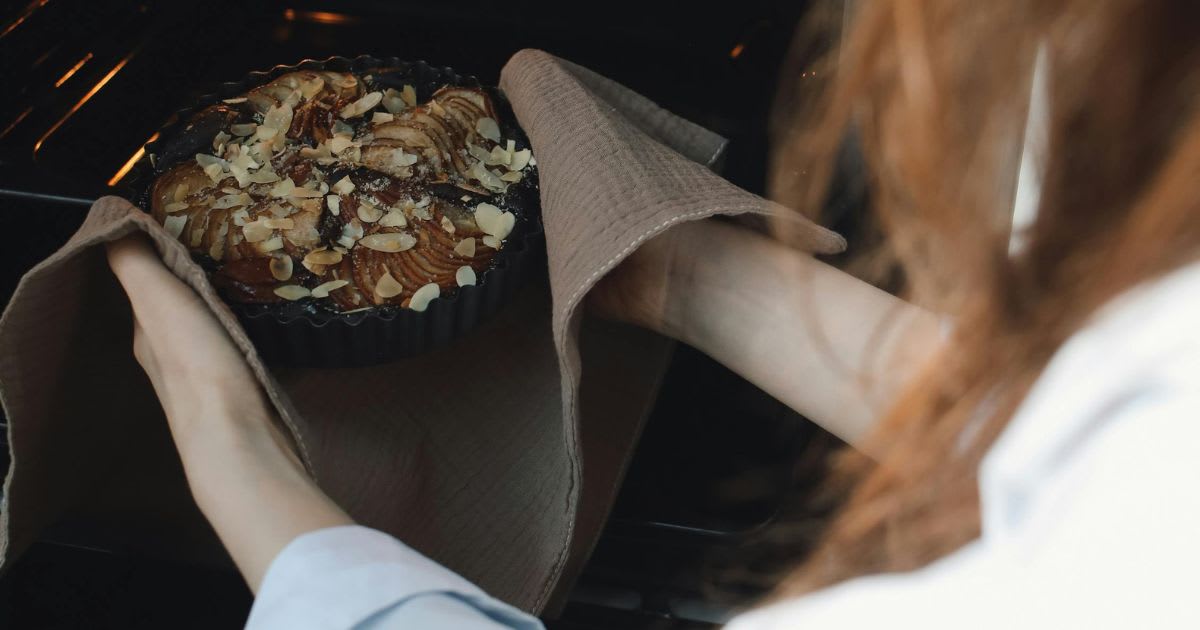
After a meal, we all crave dessert, and after a hearty holiday meal, it's a must. With friends and family coming over, you must always pre-prep desserts as everyone will want at least a bite. But if you're not prepared, you can bake cupcakes! Easy and quick, these mouthful bites are delicious and loved by all. Add in any fruits, berries, nuts, or chocolate to your cupcake dough, and it'll only enhance the flavour. Although they are high in sugar, that's not the only damage these sweet treats can cause to you and your guests. As per a study from a team of researchers in Canada, the silicone bakeware you're using may be leaching chemicals and contaminating your food.
Leaching Chemicals
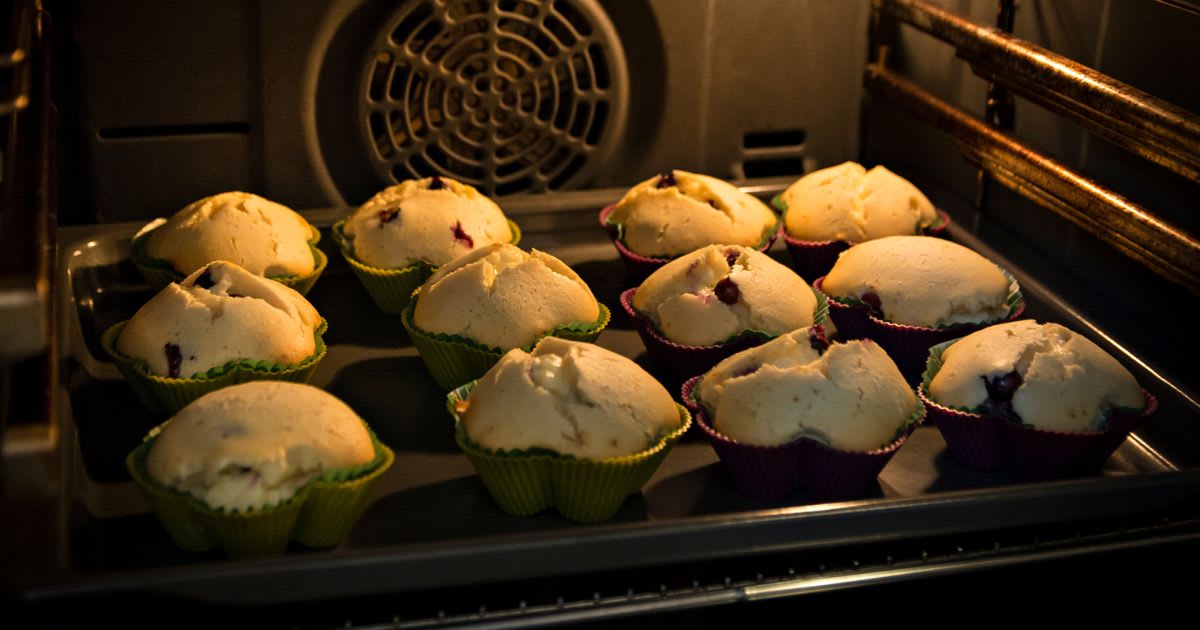
As silicone utensils are non-stick and heat-resistant, you'll find them in every home these days. The bakeware might be used to bake cupcakes, breads, or that plum cake you might want this holiday season. The study published in the Journal of Hazardous Materials recently highlights that the bakeware's non-stick properties are responsible for discharging chemicals, called cyclic siloxanes, into your food while baking. To test this theory, the team experimented on 25 silicone baking products, including cupcake trays, doughnut molds, loaf pans, cookie sheets, and more, which are found in the Canadian market. They then added a mixture of sand and oil, which can act like high-fat foods, and baked them at 177°C or 350°F.
Contaminating Food and Environment

Upon baking, they tested the samples as well as monitored the air quality in the room to detect the release of contaminants in the room. According to Food and Wine, the cyclic siloxanes are commonly found in various materials such as cosmetics and bakeware. The results showed the presence of cyclic siloxanes in the food and even the indoor air during and after the baking process. The 25 baking products were also laced with the chemicals, but their amount varied widely from 680 to 4,300 micrograms per gram of silicone. But that's not all. Even the items with a larger base, like multi-cup muffin or doughnut trays, which were in contact with the food, were transferring chemicals.
Children at Risk

It was studied that during baking, the siloxanes in the air were at an average of 646 micrograms per cubic meter and plunged quickly once baking stopped. Once the baking was completed, the experts began the extraction process, during which they carefully extracted the chemicals from the baked mixture. They turned the sample into a liquid for analysis, as it helps the scientist evaluate the transfer of siloxanes into the food. The researchers asserted in the study that "children have a higher exposure level on a per-body-weight basis." The experts aimed to analyze the chemical's impact on baking and to test if silicone products were safe to use.
Potential Health Effects
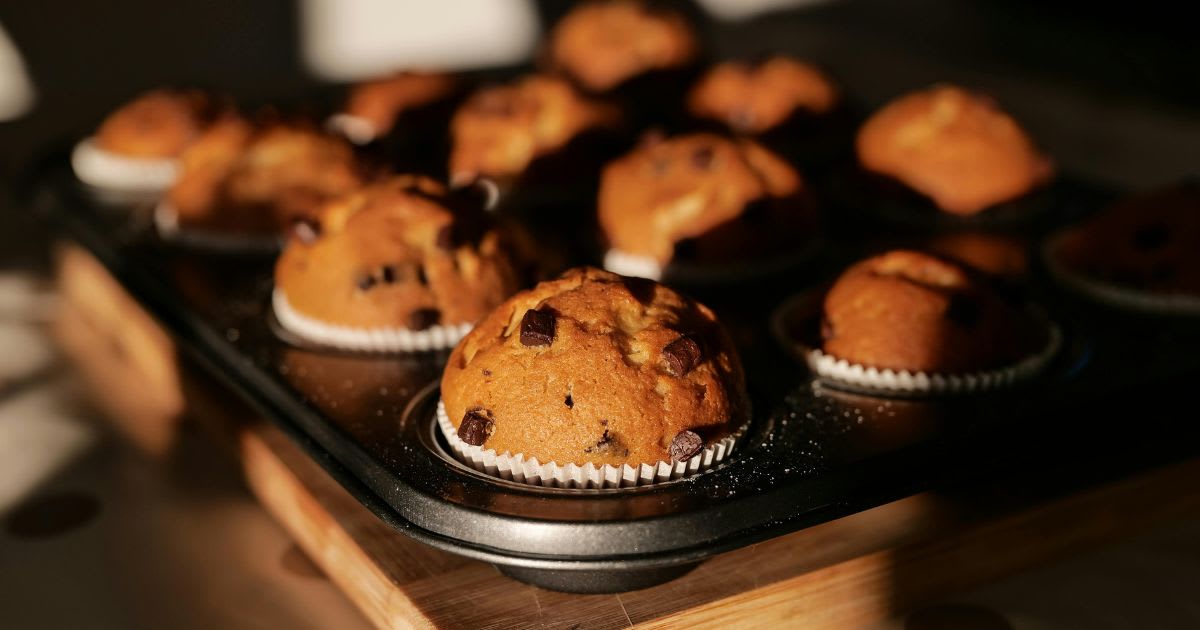
But there's a silver lining in this situation. The experts found that upon reuse of the bakeware, the siloxane levels decrease significantly. After three baking cycles, they observed that levels continued to decline to as much as 95%. While the team did not assess the potential health risks, a 2024 study published in the Journal of Applied Toxicology noted that siloxanes, "particularly D4, D5, and D6," can lead to "significant endocrine disruption, reproductive toxicity, and liver toxicity." Recent research shows D5 exposure can cause infertility, hormonal imbalances, endometriosis, and increased cancer risk.